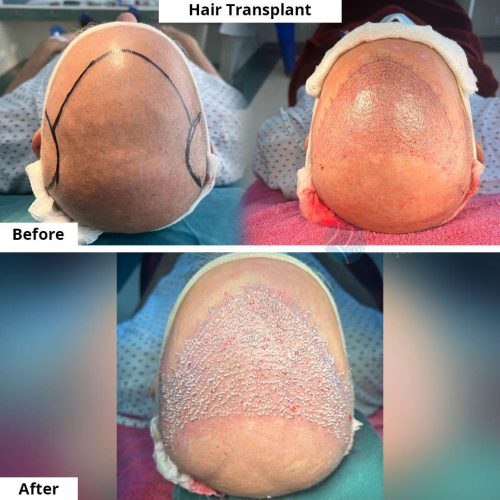
Hair loss can develop gradually or become noticeable within a few months. You may first see a receding hairline, thinning around the crown, a wider parting or increased hair shedding. When hair loss continues, many people start considering different treatment options.
When comparing hair transplant vs medical treatment, it is important to understand that both approaches can help address certain types of hair loss, but they work in different ways.
Medical treatment aims to slow hair loss, support hair growth or manage the underlying cause. A hair transplant moves healthy hair follicles from one part of the scalp to areas where hair has become thin or bald.
Choosing between these options depends on the cause of hair loss, its stage, the condition of your scalp, your expectations and whether you have enough healthy donor hair.
What Is Medical Treatment for Hair Loss?
Medical hair loss treatment refers to non-surgical approaches used to manage hair shedding, improve hair density or treat the condition responsible for hair loss.
The treatment plan may include medication, topical products or selected clinical procedures. Not every treatment is suitable for every person, so identifying the cause of hair loss is an important first step.
1. Minoxidil
Minoxidil is a commonly used topical treatment for certain types of pattern hair loss. It may help stimulate hair growth and reduce further thinning in suitable patients.
It is generally more useful when hair loss is in its earlier stages and some follicles are still producing hair.
Results take time. Some people notice improvement after several months, while others may need longer or may not respond significantly.
If minoxidil is effective, continued use is usually needed to maintain the improvement. Hair may gradually become thinner again after stopping treatment.
2. Finasteride
Finasteride is a prescription medication used mainly for male pattern hair loss.
It works by reducing the effects of a hormone involved in hereditary hair thinning. In suitable patients, it may slow hair loss and help maintain existing hair.
Finasteride is not appropriate for everyone. A doctor should explain its potential side effects, suitability and precautions before treatment.
3. Other Medical Treatments
Depending on the diagnosis, a hair specialist may consider other options, such as:
- Prescription medicines for specific hair loss conditions
- Platelet-rich plasma (PRP) therapy
- Low-level laser therapy
- Treatment for scalp inflammation or infection
- Correction of confirmed nutritional deficiencies
PRP and laser therapy are not substitutes for every medical treatment. Their suitability and expected results vary according to the type of hair loss and the individual patient.
What Is a Hair Transplant?
A hair transplant is a surgical hair restoration procedure in which healthy hair follicles are taken from a donor area and placed into areas affected by hair loss.
The donor area is usually located at the back or sides of the scalp, where hair follicles may be more resistant to the pattern of hereditary hair loss.
The transplanted follicles can continue producing hair after they establish themselves in the recipient area.
However, a hair transplant does not create new hair follicles. The surgeon redistributes existing follicles to improve coverage and appearance.
Common Hair Transplant Techniques
Follicular Unit Extraction (FUE)
FUE involves extracting individual follicular units from the donor area and placing them into the thinning or bald region.
This technique avoids a long linear scar, although small scars may remain at the extraction sites.
Follicular Unit Transplantation (FUT)
FUT involves removing a narrow strip of scalp from the donor area. Follicular units are then separated from the strip and transplanted.
This technique generally leaves a linear scar and may be considered in selected patients depending on their donor characteristics and restoration needs.
The choice between FUE and FUT depends on the patient’s scalp, donor hair, hairstyle preferences and the surgeon’s assessment.
Hair Transplant vs Medical Treatment: Key Differences
Although both approaches aim to improve hair appearance, they serve different purposes.
| Factor | Medical Treatment | Hair Transplant |
| Main purpose | Slow hair loss or support regrowth | Restore hair in thinning or bald areas |
| Best suited for | Many patients with early or ongoing hair thinning | Selected patients with permanent pattern hair loss |
| Hair follicles | Works with existing follicles | Moves existing follicles |
| Results | May improve density or maintain hair | Can improve coverage and hairline appearance |
| Recovery | Usually little or no surgical downtime | Requires healing after surgery |
| Maintenance | Often requires continued treatment | Transplanted follicles can be long-lasting |
| Cost | May involve ongoing treatment expenses | Higher initial surgical cost |
| Limitations | Response varies and full regrowth is not guaranteed | Does not stop hair loss in untreated areas |
Neither option is automatically better for everyone. The most suitable choice depends on the condition being treated and the patient’s long-term hair restoration goals.
When Is Medical Hair Loss Treatment More Suitable?
Medical treatment may be a reasonable starting point when hair loss is still developing or when the cause needs to be managed before considering surgery.
Early Hair Thinning
If you have noticed a gradual reduction in hair density, medical treatment may help preserve existing hair and support growth.
Starting an appropriate treatment early may be useful because hair follicles that are still active may respond better than areas where follicles have been lost for a long time.
Ongoing Hair Loss
If your hairline is continuing to recede or the crown is becoming thinner, treatment may help slow the progression of pattern hair loss.
This is important because a hair transplant does not prevent your remaining natural hair from thinning.
Diffuse Hair Shedding
When hair is shedding across the scalp, the cause should be investigated before surgery is considered.
Diffuse shedding may occur due to illness, stress, nutritional problems, hormonal changes or other medical conditions.
A hair transplant is not usually the first treatment for temporary or unexplained diffuse hair loss.
Hair Loss in Women
Women may experience a wider parting, reduced density around the crown or general thinning.
Medical treatment may be considered depending on the cause. A hair transplant can be suitable for some women, but careful assessment is needed to determine whether the donor area is healthy and whether the pattern of hair loss is stable.
When Is a Hair Transplant More Suitable?
A hair transplant may be considered when hair loss has created areas of permanent thinning or baldness and medical treatment alone is unlikely to provide the desired coverage.
Receding Hairline
A receding hairline is a common concern in male pattern hair loss.
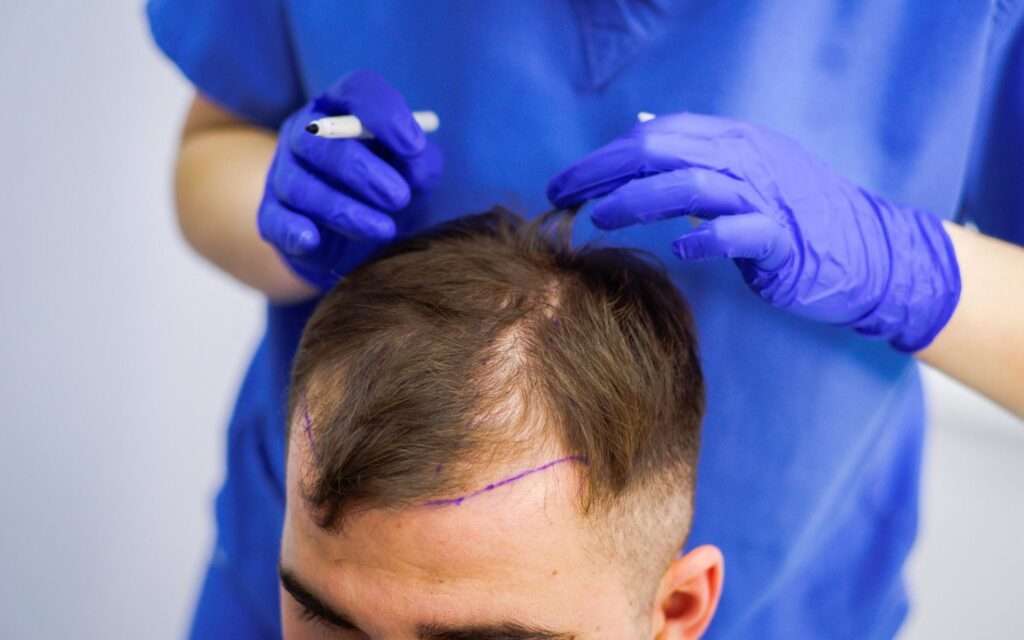
In suitable patients, a transplant can help restore the hairline by placing follicles into areas where hair has been lost.
The design should account for the patient’s age, facial features, donor supply and the possibility of future hair loss.
Bald Areas on the Crown
A transplant may improve coverage in the crown when the area has become significantly thin or bald.
However, the crown can require a large number of grafts because of its size and natural hair direction. The surgeon must assess whether the available donor hair is sufficient.
Stable Pattern Hair Loss
Patients with stable hereditary hair loss may be better candidates for surgery than those experiencing rapid or unpredictable shedding.
Stability does not mean that hair loss will never progress. It means the current pattern and future risk have been assessed before planning the procedure.
Adequate Donor Hair
A successful transplant depends partly on having enough healthy donor follicles.
If the donor area is weak or affected by diffuse thinning, the surgeon may not be able to achieve the desired coverage safely.
A consultation can help determine the number of grafts that may be appropriate and whether surgery is likely to meet your expectations.
Can Medical Treatment and Hair Transplant Be Used Together?
Yes. In many cases, medical treatment and hair transplant surgery work best as complementary approaches.
A transplant restores hair to selected areas, while medical treatment may help protect the natural hair that remains.
For example, a patient with a receding hairline and thinning crown may undergo a transplant to improve the hairline. A doctor may also recommend medical treatment to help slow further thinning in the crown and surrounding areas.
This combination can help create a more balanced long-term hair restoration plan.
Medical treatment after a transplant is not automatically required for every patient. The decision depends on the diagnosis, the patient’s health, the pattern of hair loss and the doctor’s recommendations.
Hair Transplant Results vs Medical Treatment Results
The results of both approaches develop gradually, but the timeline and type of improvement are different.
Medical Treatment Results
Medical treatment may reduce shedding or improve hair density over several months.
Some patients notice changes within four to six months, while others may need six to twelve months to assess the response.
The results depend on the treatment, the cause of hair loss and how consistently it is used.
Medical treatment may help maintain existing hair, but it cannot always restore hair in completely bald areas.
Hair Transplant Results
Hair transplant results also take time.
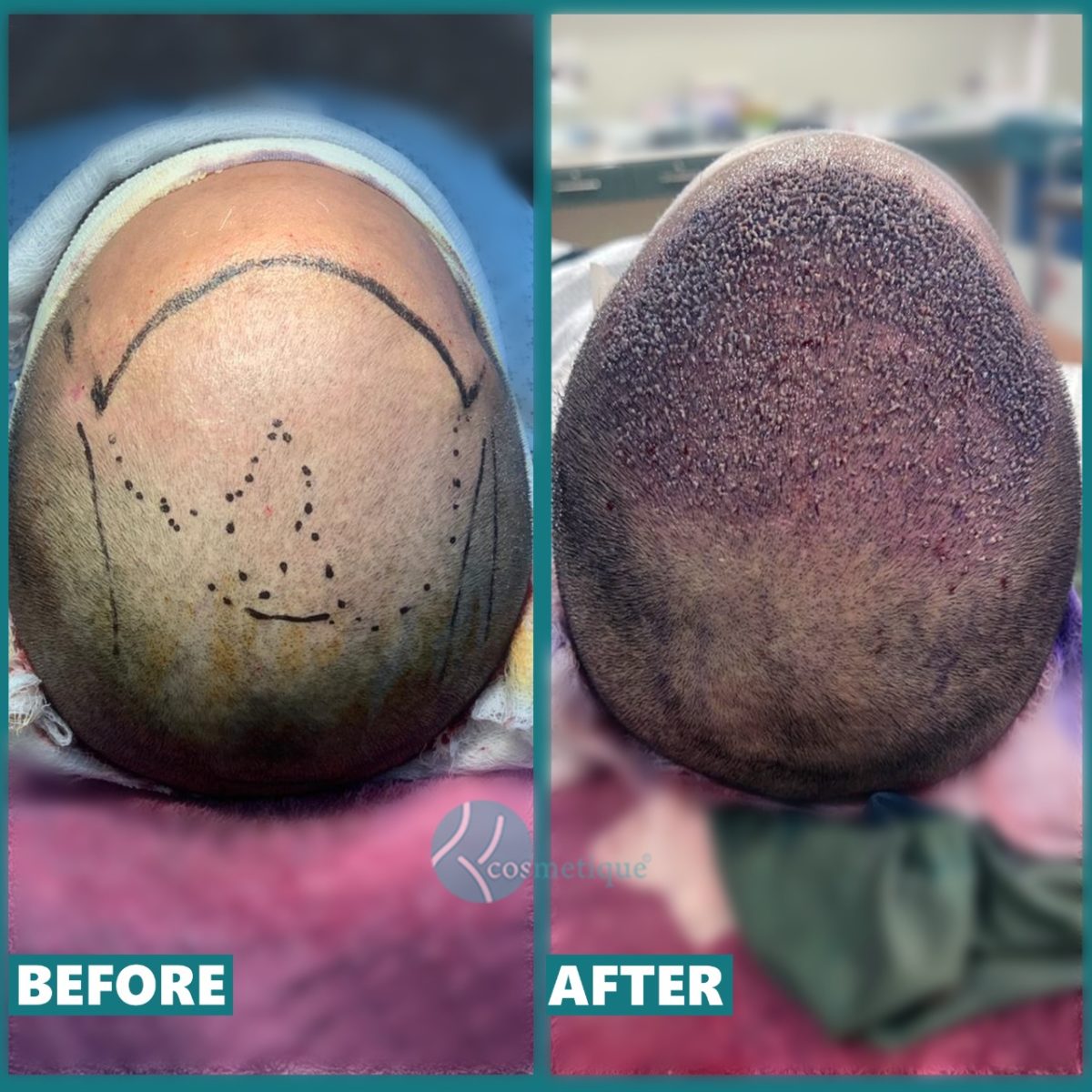
After surgery, the transplanted hair commonly sheds during the first few weeks. This is a normal part of the process and does not necessarily mean the transplant has failed.
New growth gradually becomes visible over the following months. Many patients begin to notice improvement around six to nine months, while more complete results may take twelve months or longer.
The final appearance depends on the number of grafts, donor hair quality, healing, surgical technique and the patient’s natural hair characteristics.
Cost: Hair Transplant or Medical Treatment?
The cost of medical treatment and hair transplant surgery is different because the treatment process is different.
Medical treatment may have a lower initial cost, but some medicines and procedures require ongoing use or repeat sessions.
A hair transplant usually involves a higher upfront expense. The cost depends on factors such as:
- The number of grafts required
- The transplant technique
- Donor hair quality
- The complexity of the procedure
- The experience and qualifications of the surgical team
- Follow-up care
It is important to compare the complete treatment plan rather than choosing only by the initial price.
A lower-cost option may not be suitable if it does not address the actual cause of hair loss or provide the expected result.
Risks and Limitations of Both Options
Every hair loss treatment has limitations.
Medical Treatment Limitations
Medical treatments may cause side effects, and not every patient responds in the same way.
Some treatments require long-term use to maintain results. Stopping treatment may lead to a gradual loss of the improvement gained.
Medication should be selected according to the patient’s medical history and diagnosis.
Hair Transplant Limitations
Hair transplant surgery involves risks such as swelling, bleeding, infection, scarring and temporary changes in scalp sensation.
The transplanted hair may not grow as expected in every patient. An unnatural hairline or poor graft placement can also affect the final appearance.
A transplant cannot guarantee a full head of hair, especially when donor hair is limited.
Choosing an experienced and qualified hair transplant surgeon is important for assessing suitability and planning realistic results.
What Should You Choose: Hair Transplant or Medical Treatment?
The right option depends on the stage and cause of your hair loss.
Medical treatment may be more suitable if:
- You have recently started noticing hair thinning.
- Your hair loss is still progressing.
- You want to preserve existing hair.
- You have diffuse shedding that needs diagnosis.
- You have not yet been assessed for the cause of hair loss.
A hair transplant may be considered if:
- You have permanent pattern hair loss.
- You have visible bald areas or a receding hairline.
- Your donor area has enough healthy hair.
- Your hair loss pattern has been assessed.
- You understand the recovery process and realistic results.
Some patients may benefit from medical treatment first, followed by surgery when appropriate. Others may need medical treatment alone.
The important point is to avoid choosing a procedure before understanding why your hair is falling out.
Hair Loss Consultation at Institute Cosmetique
If you are unsure whether medical treatment or a hair transplant is suitable, a professional hair loss consultation can help you understand your options.
A hair specialist may examine your scalp, assess the pattern of thinning, review your medical history and recommend tests when necessary.
The assessment may help determine:
- Whether your hair loss is temporary or hereditary
- Whether medical treatment may help
- Whether you are a suitable hair transplant candidate
- How much donor hair is available
- Whether a combination of treatments may be beneficial
At Institute Cosmetique, patients can seek professional guidance for hair loss evaluation and hair restoration planning.
A consultation with a qualified hair specialist, such as Prof. Dr. Azim Jahangir Khan, can help you understand the available options and make an informed decision based on your hair loss condition.
Frequently Asked Questions
Is a hair transplant better than medical treatment?
A hair transplant may provide better coverage in selected bald areas, while medical treatment may help slow hair loss and maintain existing hair. The suitable option depends on the cause and stage of hair loss.
Can medical treatment regrow hair without a transplant?
Some medical treatments can stimulate regrowth or improve hair density in suitable patients. However, results vary, and treatment may not restore hair in completely bald areas.
Should I try medical treatment before a hair transplant?
Many patients are advised to have their hair loss assessed and may benefit from medical treatment before surgery. This can help manage ongoing hair loss and support long-term planning.
Can hair loss continue after a hair transplant?
Yes. Transplanted follicles may continue to grow, but the natural hair surrounding them can still become thinner. Medical treatment may be recommended to help maintain the remaining hair.
How long does it take to see hair transplant results?
Initial growth may become noticeable after several months. Many patients see improvement around six to nine months, while final results can take twelve months or longer.
Is a hair transplant suitable for everyone?
No. Patients need an appropriate diagnosis, adequate donor hair and realistic expectations. Some types of hair loss, including certain inflammatory or temporary conditions, may not be suitable for transplant surgery.
Make an Informed Decision About Hair Loss
Hair transplant surgery and medical hair loss treatment are not always competing options. They address different aspects of hair restoration.
Medical treatment may help slow hair loss and support existing follicles, while a hair transplant can restore coverage in selected areas where hair has been permanently lost.
A professional assessment can help identify the cause of hair loss, determine whether surgery is suitable and develop a treatment plan that considers both current hair loss and future progression.
The best approach is the one that matches your diagnosis, donor hair, expectations and long-term hair restoration needs.