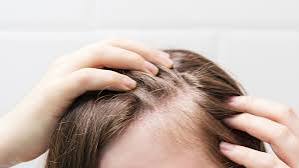
When your hair falls out when I run my fingers through it, it can be worrying, especially when you start noticing loose strands on your pillow, clothes or bathroom floor. It is natural to wonder whether something is wrong with your scalp or hair growth.
If hair falls out when I run my fingers through it, it does not automatically mean I am going bald. Sometimes, it is part of the normal hair growth cycle. However, if it happens repeatedly or you notice increased shedding, the cause may involve nutritional deficiencies, hormonal changes or problems affecting the hair follicles. Understanding why it happens is more important than simply counting the strands on your fingers.
What Happens When You Run Your Fingers Through Your Hair?
Each hair on your head cycles through growing and resting phases. At any moment, some are growing and some are resting, waiting to fall.
A resting hair eventually lets go of the follicle. If your fingers are passing through at that moment, it comes away in your hand. That’s why you can find loose hairs even when you haven’t tugged or brushed hard.
It becomes a concern when several strands come out with almost no contact, and it keeps happening. The American Academy of Dermatology puts normal daily loss at roughly 50 to 100 hairs, though the real figure shifts with hair type and how often you wash.
7 Reasons Your Hair Falls Out When You Touch It
Shedding has more than one cause. Knowing which one fits you tells you whether to wait it out or get help.
1. Telogen Effluvium (Excessive Shedding)
Normally most of your scalp hairs are growing and only a small share are resting. In telogen effluvium, a larger group of follicles switches to the resting phase together, and the hairs fall out together a while later.
People usually describe it as hair coming away in their fingers, a clogged shower drain, extra strands on the pillow, a brush that fills faster than it used to, and a scalp that looks less full all over.
Triggers include physical or emotional stress, illness, surgery, childbirth and rapid weight loss. The tricky bit is timing. The shedding tends to start two to three months afterwards, so by then you’ve often forgotten the event that set it off.
2. Nutritional Deficiencies
Follicles need a steady supply of nutrients to keep their cycle running, and hair is one of the first places a shortfall shows up.
Low iron can cause diffuse shedding, particularly in people whose bodies need more of it. Hair is made mostly of keratin, so not eating enough protein can slow production. Zinc helps tissue grow and repair, and a deficiency may add to hair loss. Vitamin D is involved in follicle activity too, though how much it matters depends on the type of hair loss.
Don’t reach for supplements on a hunch. Too much of some vitamins and minerals causes its own problems, so confirm a deficiency with a test first.
3. Hormonal Changes
Hormones help set how long each hair stays in its growing phase, so when they move, shedding can follow. It’s most often noticed during pregnancy and the months after childbirth, around menopause, with thyroid problems, or after a change in hormonal medication.
Postpartum shedding is the best-known example. It usually starts a few months after delivery as hormone levels return to their usual range. An underactive or overactive thyroid can thin hair across the whole scalp.
If the shedding comes with unexplained weight change, constant tiredness or changes to your periods, have a doctor look into it.
4. Hereditary Hair Loss
Not all hair loss is temporary. In androgenetic alopecia, which most people know as male or female pattern hair loss, genetically sensitive follicles shrink gradually and the hairs they grow are thinner and shorter each time.
In men it often begins with a hairline that creeps back, thinning at the temples and lower density at the crown. In women, the first sign is usually a wider central parting, less volume on top and slow thinning over the crown.
You may well find loose hairs when you touch your head, but the better clue is that your hair slowly gets less dense. This type doesn’t usually go away on its own and generally needs long-term management.
5. Breakage That Looks Like Hair Loss
Sometimes the hair on your fingers didn’t fall from the root at all. It snapped partway down the strand because it was dry, brittle or damaged.
Frequent heat styling, bleaching and other chemical treatments, rough brushing, tight hairstyles, hard towel drying and constant friction are the usual causes.
You can tell the two apart by looking closely. A hair that has shed naturally often has a tiny pale bulb at the root end. A broken hair has no bulb and is usually shorter, with an uneven end. Both make your hair look thinner, but they’re treated differently.
6. Scalp Conditions
Hair grows out of the scalp, so a scalp that’s constantly irritated or inflamed can interfere with it. Seborrheic dermatitis brings dandruff, redness and itching. Scalp psoriasis causes thick, scaly patches that can itch or feel sore. Fungal infections can cause scaling, broken hairs and bald patches. Folliculitis shows up as small tender bumps around the follicles.
Scratching makes things worse, since irritated hairs break more easily. If you have itching, redness, scaling, pain or patchy loss, get your scalp examined rather than cycling through products.
7. Stress and Physical Changes
People react to stress differently, but a big physical or emotional strain can throw off the hair cycle. Major surgery, a long illness, a high fever, emotional distress and fast weight loss are all recognised triggers.
The pattern is familiar to doctors: hair was fine a few months ago, and now it’s coming out in large amounts. As with telogen effluvium, there’s a delay of several weeks or months, so working back to the original trigger is a big part of dealing with it.
Is It Normal for Hair to Fall Out When You Touch It?
Yes. A few strands coming out when you touch, comb or wash your hair is normal. What you’re watching for is a change from your own usual amount.
| Normal Shedding | Possible Excessive Hair Loss |
| A few loose strands | Noticeably more shedding |
| No visible change in density | Hair looks thinner over time |
| No scalp symptoms | Itching, redness or irritation |
| Stable volume | Parting or hairline looks more visible |
| Occasional shedding | Shedding that persists or keeps returning |
This table is a rough guide, not a diagnosis. Different conditions can look very similar.
How Can You Tell Whether Your Hair Is Shedding or Breaking?
With shedding, the whole strand leaves the follicle and often has a small pale bulb at the end. With breakage, the strand snaps along its length, so you find pieces of different lengths with ragged ends.
Plenty of people have both. Someone with heavily heat-damaged hair can also be shedding after a stressful few months. A dermatologist can examine the scalp and hair shafts and work out how much of each is going on.
What Can You Do to Reduce Excessive Hair Shedding?
The right fix depends on the cause, but a few basics protect the hair you have and give regrowth a better chance.
Eat Well
Make sure you’re getting enough protein and a decent variety of foods. Eggs, fish, lentils, beans, dairy, nuts and leafy greens all help. If you think you might be deficient in something, get tested before buying supplements.
Go Easy on Styling
Cut back on heat, harsh chemical treatments and tight hairstyles that pull on the roots. Use a gentle comb and don’t drag it through knots.
Look After Your Scalp
Don’t ignore ongoing dandruff, itching or inflammation. A suitable shampoo can help, but no shampoo fixes every cause of hair loss.
Think Back Over the Last Three Months
Have you had a fever, an illness, surgery, quick weight loss, a stressful stretch or a change of medication? Mention any of these to your doctor, because they often point straight to the cause.
Get a Proper Assessment
If the shedding doesn’t settle, your hair is getting thinner, or you notice a receding hairline or bald patches, see a dermatologist. Finding the real cause comes before any treatment.
How Do Dermatologists Identify the Cause of Hair Shedding?
Counting fallen hairs tells a doctor very little. A dermatologist will ask about your medical history and recent health, look at how your hair grows, and examine your scalp. Depending on what you describe, they may also do some of the following:
- Scalp examination: looking for inflammation, scaling, pattern thinning or patches of loss.
- Hair pull test: gently tugging small sections of hair to see how easily it comes out.
- Blood tests: checking for iron deficiency, thyroid problems or other nutritional and medical causes.
- Trichoscopy: a magnified look at the scalp and hair shafts, which shows changes in follicle size and hair structure.
If the diagnosis is still unclear, a scalp biopsy may be considered. Most people won’t need every test. The doctor picks them based on your symptoms and what they find.
When Should You See a Hair Loss Specialist?
An occasional bout of shedding is rarely cause for alarm. Book a consultation if any of these sound like you:
- You’re losing noticeably more hair than before
- Your hairline is slowly moving back
- Your crown is thinning or your parting is getting wider
- Bald patches appear suddenly
- Your scalp is painful, itchy, red or inflamed
- The shedding continues with no obvious reason
- Your hair keeps thinning even though you’ve improved your hair care
The earlier you go, the easier it is to find a treatable cause and to stop some types of hair loss from getting worse.
At Institute Cosmetique, our experienced dermatologists can assess your hair and scalp condition, identify possible causes of hair loss and recommend appropriate diagnostic tests and treatment options based on your individual needs.
Frequently Asked Questions
1. Why does my hair fall out when I run my fingers through it?
The hair may simply have reached the end of its growth cycle. If you keep finding several strands, the cause could be telogen effluvium, a nutritional deficiency, hormonal changes or hereditary hair loss.
2. Why does my hair fall out even when I don’t pull it?
Hairs that have already entered the shedding phase can come out with ordinary contact. If it happens often and your hair looks thinner, a dermatologist can look into why.
3. How many hairs should fall out when I run my fingers through my hair?
There’s no set number. A few strands now and then is normal. Finding several loose hairs again and again, especially alongside visible thinning, is worth getting checked.
4. Can stress cause hair to fall out when I touch it?
Yes. Major physical or emotional stress can trigger telogen effluvium, which pushes more hairs than usual into the shedding phase. You’ll usually notice it a few months after the stressful event.
5. Does hair falling out mean I’m going bald?
No. Temporary shedding and permanent pattern hair loss are different problems. Shedding often improves once the trigger is dealt with, while hereditary hair loss causes thinning that gets worse over time.
6. Can nutritional deficiencies cause excessive hair shedding?
Yes. Low iron or protein, among other deficiencies, can contribute. A medical assessment can show whether you have one.
7. When should I see a doctor about hair shedding?
See a dermatologist if the shedding persists, your hair is getting less dense, you have bald patches, or your scalp is bothering you. The sooner the cause is found, the sooner you can start the right treatment.
Find Out Why Your Hair Is Falling Out
Finding loose strands on your fingers is unsettling, but it doesn’t mean the loss is permanent. Start by working out whether you’re dealing with normal shedding, heavy hair fall, breakage or a follicle problem.
Try not to begin several treatments at once without knowing the cause. A proper scalp examination will show you what to do next.
If you have persistent shedding or visible thinning, consult a qualified hair specialist at Institute Cosmetique for professional guidance.
Read more………