




4.7
Based on 670 reviews
powered by

ayeshasameen sameen
4 months ago
The best place to stay in Kumrat. Very competitive staff. Its a safe place and super clean. From the manager to the staff all are very polite and helpful. Unforgettable stay

Adeel Shaikh
4 months ago

Laraib ammad 731 ammad
5 months ago
My experience here with Dr is superb and I really loved it 🫶

Ayesha Hijazi
5 months ago
I have a great experience of laser hair removal with Dr Myra Khalid ❤️

Aleena Aamir
5 months ago
Worst experiences ever, ive been here 3-4 times and pay 5k JUST to get an appointment and the derms come in to the room for barely 2 minutes, prescribe you 5-6 products from their own brand and leave. I’ve constantly voiced my skin issues to Dr Amna and Aimal and they both ignored my experience and what i had to say about MY skin and have ruined my skin terribly after I have spent 20k on each visit. This is just a money hub not real derms

Nat
7 months ago
I have been going here for over half a year now with basically no results, the main dr Azim, shows his face for 5 minutes max, adds nothing to the treatment just affirms whatever previous doctors say and leave. You’d waste your money paying extra for him. Secondly, it seems to me like they delay better or more effective forms of treatment for the sake of money (you keep coming, wasting time, spending extra). Unnecessary. Had to wait over an hour sometimes 2 even though my appointment was set at a certain time, just poor time management. Wouldn’t recommend, save your money, time and go somewhere else. My skin looks the same, if not worse, they don’t listen to your concerns either, one ear out the other. They also force you to write a good review on the spot, don’t leave till you do, so most of what you see is fabricated, and done under pressure, gives people the impression this is somehow a superior clinic which it is NOT.

Fatima
8 months ago
I visited Institute Cosmetique for a skin consultation and had a great experience. The doctor listened carefully and explained everything clearly. The staff was friendly and the clinic was very clean. If you are looking for a trusted skin specialist in Lahore, this clinic is a good choice.

Manahil Ashraf
8 months ago
Had a great experience at Institute Cosmetique in Lahore. I visited for a skin consultation and was treated by Dr. Azim Jahangir Khan. He listened carefully to my concerns and explained the treatment in a very clear way. His professional approach and the clinic’s environment made me feel comfortable. Highly recommended for anyone looking for a trusted skin specialist in Lahore.

Neelofur Ahmed
9 months ago
I had an amazing experience at the cosmetique Institute. I developed an acute infection in a sebaceous cyst while travelling to Pak. Dr Azim Jahangir khan me the day I landed. He prescribed the appropriate meds and then 2 days later , came on a Saturday to perform incision and drainage on the cyst , assisted by Dr Saima Malik.
I was really impressed by their competence, and compassionate care.

beenish malik
4 years ago
I had microdermabrasion treatment from them. had great experience..they have highly qualified Dermatologist / surgeons.. amazing place to visit.. highly recommended 💯

M.Hussnain Khalid
4 years ago
I had a very great experience at Cosmetique with Dr.Myra.I will highly recommend Cosmetique to all the people out there who have any concerns regarding their skin or weight etc.Also go to Dr.Myra at Cosmetique for the best results.

Khadija Tariq
4 years ago
I got my laser hair removal done from Cosmetique, by Dr Myra Khalid and I love the results!
I've visited so many doctors from different cities but this was my best experience.

Hurria Barlas
4 years ago
Best dermatologist in town .my mom got botox ,filler and thread lift done .she was amazed with the response .she was actually looking ten years younger .I recommend cosmetique institute best for botox and threads treatment in lahore
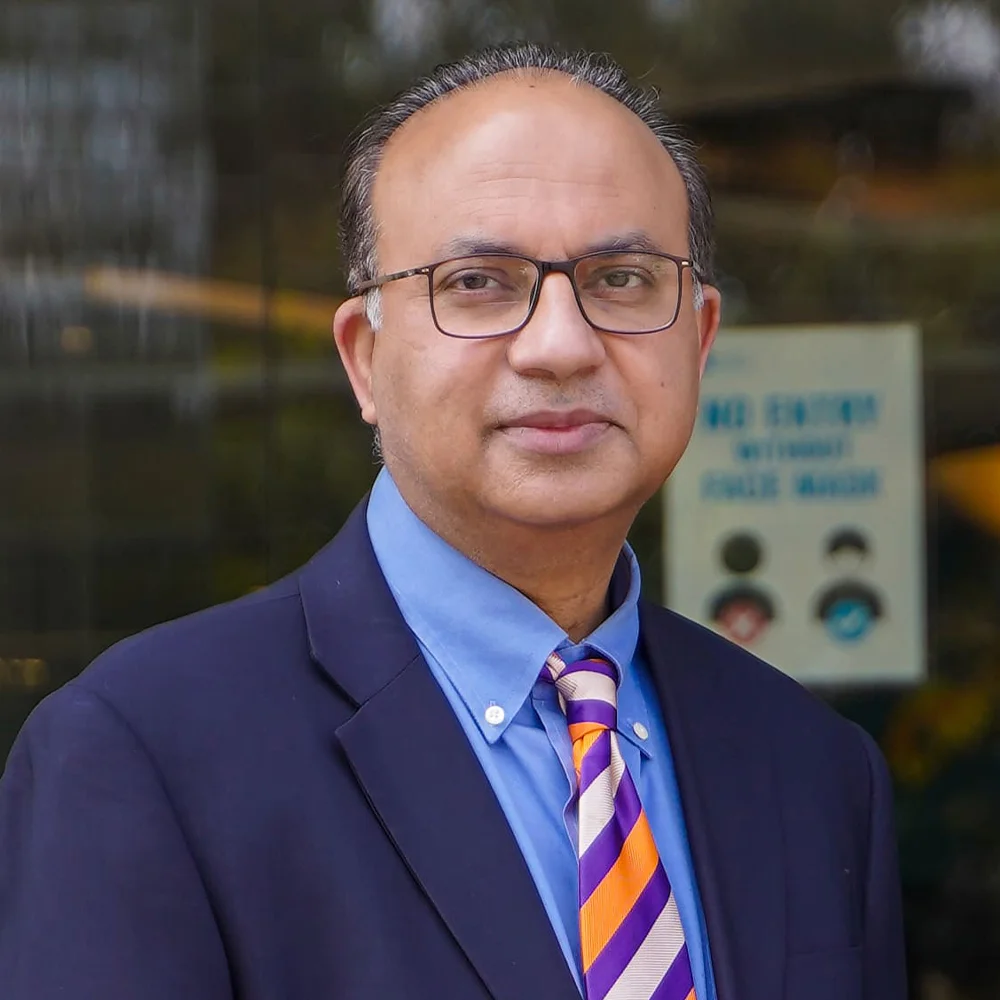
Prof. Dr. Azim Jahangir Khan
M.B.B.S., M.D. (U.S.A), F.A.A.D. (U.S.A), F.A.A.C.S. (U.S.A), F.A.S.D.S. (U.S.A) F.A.S.L.M.S. (U.S.A) F.R.C.P. (U.K) F.A.S.H.R.S. (U.S.A) F.A.S.L.S. (U.S.A) M.A.C.P. (U.S.A)
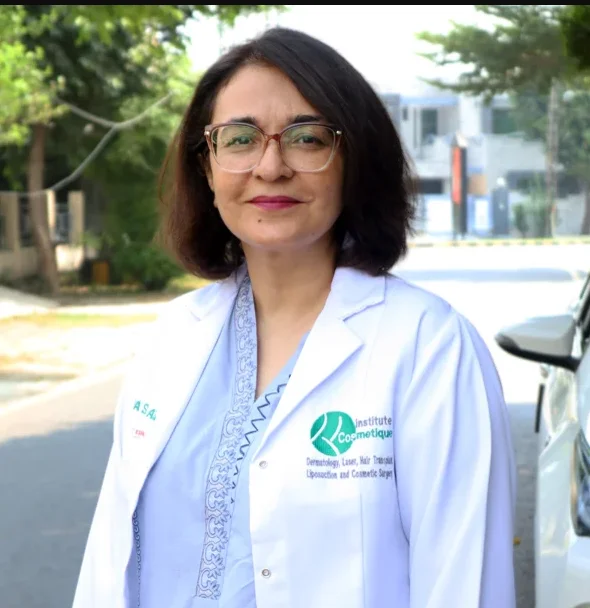
Dr. Asma Sana Azim
M.B.B.S. (Pb); M.D. (U.S.A.); M.A.C.P. (U.S.A): Dip. Derm (U.K.) Diplomate, American Board of Internal Medicine Member, American College of Physicians Diploma in Dermatology (UK)

Dr. Amnah M Raj
M.B.B.S. (Pb), Dip Derm (U.K), M.Sc. in Dermatology (U.K), FASDS (U.S.A.) Fellow, American Society for Dermatologic Surgery (U.S.A) Certified Obesity and Weight Management Expert
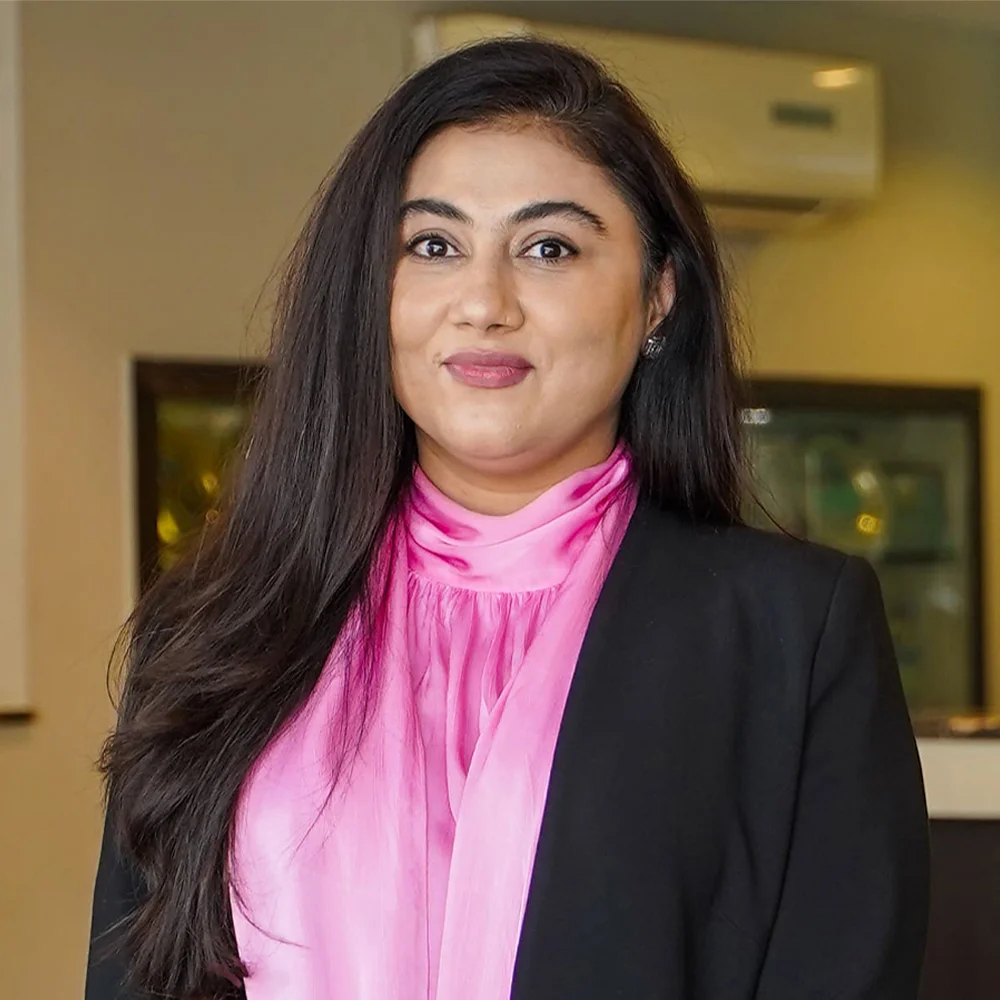
Dr. Saima Malik
M.B.B.S. (KEMC) Dip Derm (U.K) M.Sc. in Dermatology (U.K) FASDS (U.S.A.) Fellow, American Society for Dermatologic Surgery (U.S.A)
