Hair loss doesn’t look the same for everyone. Some people watch it happen over years. Others swear it started overnight. You might see more hair in the shower drain, a hairline that has crept back, a thin crown, or a bald spot about the size of a coin. It affects men and women of all ages.
Everyone sheds hair daily, so a few strands on your brush are fine. What should get your attention is shedding that doesn’t let up, or hair that looks thinner than it used to. The usual culprits are genetics, hormones, low iron or vitamin levels, medical conditions and scalp problems. Treatment depends on which one you’re dealing with, so finding the cause comes first. Below are the most common hair concerns and when it’s time to see a doctor.
Why Is My Hair Falling Out More Than Usual?
Most people lose somewhere between 50 and 100 hairs a day. If you’re finding far more than that on your pillow, in your comb or down the drain, you’re shedding excessively.
Stress is the most common trigger: exams, a death in the family, a rough stretch at work, a long illness. Low iron, thyroid problems, hormonal shifts, surgery, crash diets and some medications can do it too.
Often the condition is telogen effluvium. A large number of follicles slip into the resting phase at once and the hairs fall out a few months later. Because of that lag, shedding typically starts two to three months after the event that caused it, so people rarely connect the two. Once the trigger passes or is treated, the shedding usually settles down by itself.
Why Am I Losing Hair in My 20s?
Plenty of people notice their first thinning in their twenties, and the most likely cause is androgenetic alopecia. It runs in families and works by gradually shrinking the follicles. A smaller follicle produces a finer, shorter hair and after enough cycles it may stop producing a visible hair altogether.
Hormonal imbalance, nutritional deficiencies, thyroid problems, prolonged stress and a family history of early hair loss can also play a role. Early signs include a hairline that’s slowly moving back, a crown that looks sparser or a parting that seems wider than before. Treatment works best when you start early, before much hair has gone.
Why Am I Going Bald at a Young Age?
In young people, early baldness is usually genetic. Some follicles are very sensitive to dihydrotestosterone (DHT), a hormone made from testosterone. Over the years it shrinks those follicles, mostly at the temples and crown. This is male pattern baldness and it can start in the late teens or twenties.
Not every case is inherited, though. Scalp disorders, medical conditions, poor nutrition and certain medicines can all cause hair loss at a young age. A dermatologist can examine your scalp and tell you which type you have.
Why Is My Forehead Getting Bigger Due to Hair Loss?
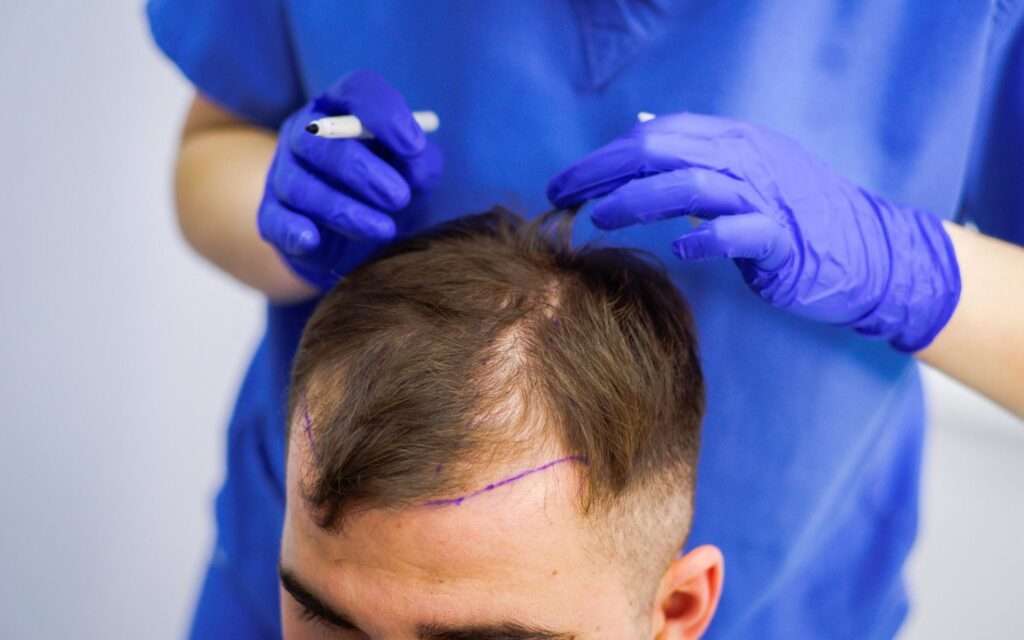
If your forehead seems larger than it used to, your hairline is probably receding. This is one of the classic signs of male pattern hair loss. The hair pulls back slowly, mainly at the temples, which gives the hairline its M shape.
The causes are the same as for pattern baldness in general: an inherited tendency, DHT sensitivity and follicles that keep shrinking. Some scalp conditions can add to it.
A high forehead on its own isn’t hair loss. What matters is change. Compare your hairline with photos from a few years back, and if it clearly sits further back now, get it checked.
Why Is My Hairline Receding?
A receding hairline means the hair at the front of your scalp and around the temples is thinning, and the line is moving backward.
In men this is usually androgenetic alopecia. In women, changes at the front hairline more often come from traction alopecia, caused by tight ponytails, braids or extensions pulling on the roots or from another medical condition. Hormonal sensitivity and inflammatory scalp conditions can contribute as well.
The change is so gradual that most people don’t notice until it’s well along. A specialist can examine the area, work out the cause and explain what can be done.
Why Is My Crown Becoming Bald?
The crown is the upper back part of your head. Thinning there is often one of the first signs of male pattern baldness.
It begins as a slight loss of density, and you might only spot it in photos or when someone looks down at your head. If the cause isn’t dealt with, the thin area grows. The usual reasons are inherited hair loss, DHT sensitivity and age-related shrinking of follicles, with scalp conditions playing a part in some cases.
Crown thinning and a receding hairline often show up together. A scalp exam shows how far the shrinking has gone and whether medical treatment is likely to help.
Why Can I See My Scalp Through My Hair?
If more scalp is showing, your hair has lost density. This can happen even when you’re not shedding more than usual, because the hairs growing back are finer than the ones they replace.
Pattern hair loss, in men or women, is the most common reason. Telogen effluvium, nutritional deficiencies and hormonal changes can cause it too. Many people first spot it while styling, tying a ponytail or looking at photos taken from above. If you keep seeing more scalp, a dermatologist can measure your hair density and look for the cause.
Why Is My Hair Falling Out With White Bulbs?
A little white bulb on the root end of a fallen hair looks alarming, but it doesn’t mean the follicle came out with it.
That bulb is called a club root. It forms at the end of a hair’s growth cycle, when the hair is ready to shed. The follicle stays in your scalp and grows a new hair. So a white bulb on a shed hair is normal. What you should watch for is heavy shedding together with visible thinning that goes on for several months.
Why Am I Losing Hair Around My Temples?
Temple loss is often an early sign of pattern baldness. The corners of the hairline thin out gradually, and in men that produces the M-shaped hairline.
In women, temple thinning is often caused by tight hairstyles that pull on the hair for a long time (traction alopecia). Genetic hair loss, inflammatory scalp conditions and hormonal changes are other possibilities. Each cause is treated differently, so the pattern of loss matters.
Why Is My Hair Getting Thinner After 30?
Hair density changes with age, and many people notice more thinning after 30. Men with hereditary hair loss often find it becomes more obvious around this time. Women may see changes linked to hormones, medical conditions or poor nutrition.
Thyroid disorders, iron deficiency, long-term stress and some medicines can also thin hair at this age. Age alone doesn’t explain every case. If your hair volume keeps dropping, have it looked at, since several of these causes can be treated.
Why Do I Have Small Bald Patches on My Head?
Small bald patches, round or irregular, have several possible causes:
- Alopecia areata is an autoimmune condition where the immune system mistakenly attacks the hair follicles. It typically causes smooth, round bald patches.
- Scalp fungal infection causes patchy hair loss along with scaling, itching and broken hairs.
- Traction alopecia happens when constant pulling from tight hairstyles damages the follicles and thins the hair in that spot.
- Scarring alopecia involves inflammation that permanently destroys the follicles, so hair may not grow back in the affected area.
Each is treated differently, so any bald patch you can’t explain should be examined by a dermatologist.
Why Is My Hair Not Growing Back After Falling Out?
Whether hair regrows depends on the cause and on the condition of the follicles.
After a temporary problem like telogen effluvium, hair usually starts growing again once the trigger is dealt with, though full recovery can take several months. With hereditary hair loss, the follicles keep shrinking and the hairs keep getting finer, so thinning carries on unless you treat it.
Scarring alopecia is different. Inflammation destroys the follicle and scar tissue takes its place, so natural regrowth in that area generally isn’t possible. A proper diagnosis tells you whether regrowth is realistic and which treatment makes sense.
Why Is My Hairline Thinning on Both Sides?
Thinning on both sides of the forehead usually points to a receding hairline. In men it generally comes from androgenetic alopecia, with the temples losing density and the M shape deepening over time. In women, thinning at the front and sides is sometimes traction alopecia, especially after years of tight hairstyles.
To tell the causes apart, doctors look at the pattern of loss, how long it has been going on, and whether you have scalp symptoms such as itching or redness.
How Is Hair Loss Diagnosed?
A dermatologist will pick from several methods depending on your symptoms and history.
- Medical history and scalp examination. The doctor asks about family history, medicines, lifestyle, recent illnesses and how your hair has been shedding. They also check your scalp for inflammation, scaling, bald patches and reduced density.
- Hair pull test. The doctor gently tugs a small bunch of hairs to see whether more come out than expected. It’s a quick check for active shedding.
- Trichoscopy. A magnifying device gives a close look at the scalp and hair shafts. It can reveal shrinking follicles, broken hairs and signs of certain scalp disorders.
- Blood tests. Depending on your symptoms and exam, the doctor may order a complete blood count (CBC), ferritin and iron levels, thyroid function tests, vitamin B12 or other nutritional tests if needed, and hormone tests when clinically appropriate.
- Scalp biopsy. Only a few patients need this, mainly when scarring alopecia or another inflammatory condition is suspected.
What Are the Treatment Options for Hair Loss?
The right treatment depends on the cause, the area of scalp involved and how much follicle damage has already occurred. No single option works for every type of hair loss.
Minoxidil is widely used for pattern hair loss. In suitable patients it can help regrowth, improve density and slow further thinning. It’s applied to the scalp as a topical treatment, while the oral form must be taken under medical supervision.
Finasteride is an oral medicine for eligible men with androgenetic alopecia. It lowers DHT and so slows follicle shrinkage. It isn’t right for everyone, so talk through the side effects and precautions with your doctor before starting.
Treating underlying conditions is a key part of the plan when hair loss is tied to a thyroid disorder, iron deficiency, hormonal condition or scalp infection. Take supplements only when a deficiency or other clear need has been confirmed.
Platelet-rich plasma (PRP) uses a concentrated preparation made from your own blood. Some people with pattern hair loss see better density, but results vary and more research is needed.
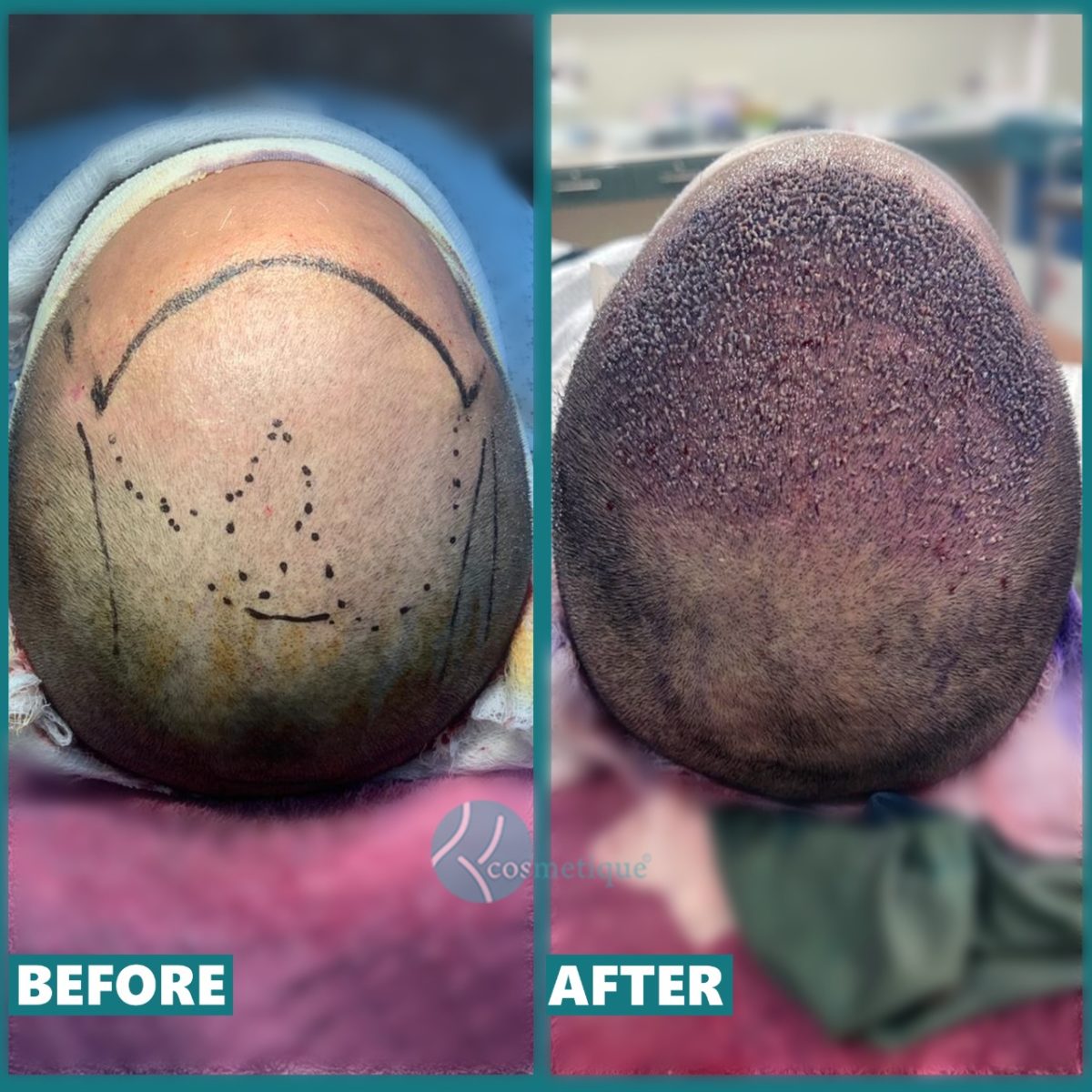
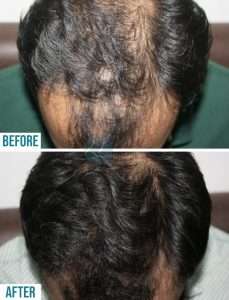
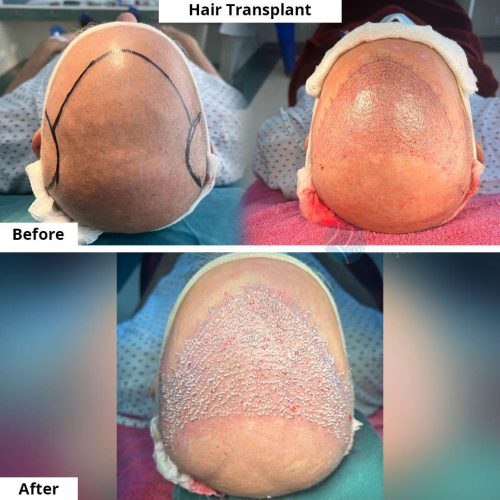
Hair transplant surgery can be an option for people with established pattern baldness and enough donor hair. In techniques such as FUE and FUT, follicles are moved from a donor area to the thinning or bald areas. Before recommending surgery, a specialist assesses donor density, how far the hair loss has progressed and what long-term results you can realistically expect.
When Should You See a Hair Specialist?
Book an evaluation if you notice any of the following:
- Sudden or heavy shedding
- A hairline that is receding quickly
- Scalp that is becoming more and more visible
- Small or large bald patches
- Ongoing scalp itching, redness or pain
- Thinning that continues despite treatment
- Hair loss alongside other unexplained symptoms
The sooner the cause is found, the sooner you can start the right treatment.
Frequently Asked Questions About Hair Loss
Is losing 100 hairs a day normal?
Yes, 50 to 100 hairs a day is generally normal. If heavy shedding continues or your hair is visibly getting thinner, something underlying may be going on.
Can hair loss in your 20s be reversed?
Sometimes. Shedding caused by stress, illness or a nutritional deficiency is often reversible. Genetic hair loss usually can’t be reversed, but the right treatment can often keep it under control.
Does a receding hairline always lead to baldness?
No. It can progress as part of hereditary hair loss, but other causes, such as traction alopecia, can also affect the front hairline.
Can thinning hair grow back naturally?
It can when the cause is temporary and the follicles are healthy. If scarring has permanently damaged the follicles, regrowth is limited.
Why does hair fall out with a white bulb?
The bulb is usually a club root. It means the hair has finished its growth cycle, not that you’ve lost the follicle.
Which doctor should I see for hair loss?
Prof. Dr. Azim Jahangir Khan, an experienced dermatologist at Institute Cosmetique, can examine your scalp, identify the underlying cause of hair loss, and recommend a suitable treatment plan based on your hair and scalp condition.
Is a hair transplant the only solution for baldness?
No. Medications, PRP and treatment of underlying conditions can help with some types of hair loss, and a transplant is one more option for suitable candidates.
Read……….