Hair transplantation has become one of the most reliable medical procedures for treating permanent hair loss. Modern surgical techniques focus on preserving healthy hair follicles and placing them carefully to achieve long-lasting and natural-looking results. Understanding the medical facts behind the procedure helps patients make informed decisions and develop realistic expectations before treatment.
Hair Loss Must Be Properly Diagnosed
Not every type of hair loss requires a hair transplant. Doctors first identify the underlying cause because treatment depends on the condition affecting the scalp. Pattern baldness is one of the most common reasons for hair transplantation, while temporary hair loss caused by stress, illness, nutritional deficiencies, or certain medications often requires medical treatment instead of surgery.
A detailed scalp examination allows specialists to determine whether transplantation is the most appropriate option.
Donor Hair Determines the Success of the Procedure
Healthy donor hair is one of the most important medical factors in hair transplantation. Hair follicles are usually taken from the back or sides of the scalp because these areas are genetically more resistant to hair loss.
The quality, density and strength of donor hair directly influence the final outcome. Patients with a healthy donor area generally achieve better coverage and more natural density after surgery.
Hair Follicles Remain Biologically Active
Transplanted follicles continue following their natural growth cycle after they settle into the recipient area. Since the follicles retain their genetic characteristics they usually continue growing for many years.
This biological property makes hair transplantation a long-term solution for suitable candidates rather than a temporary cosmetic treatment.
Natural Hair Growth Takes Time
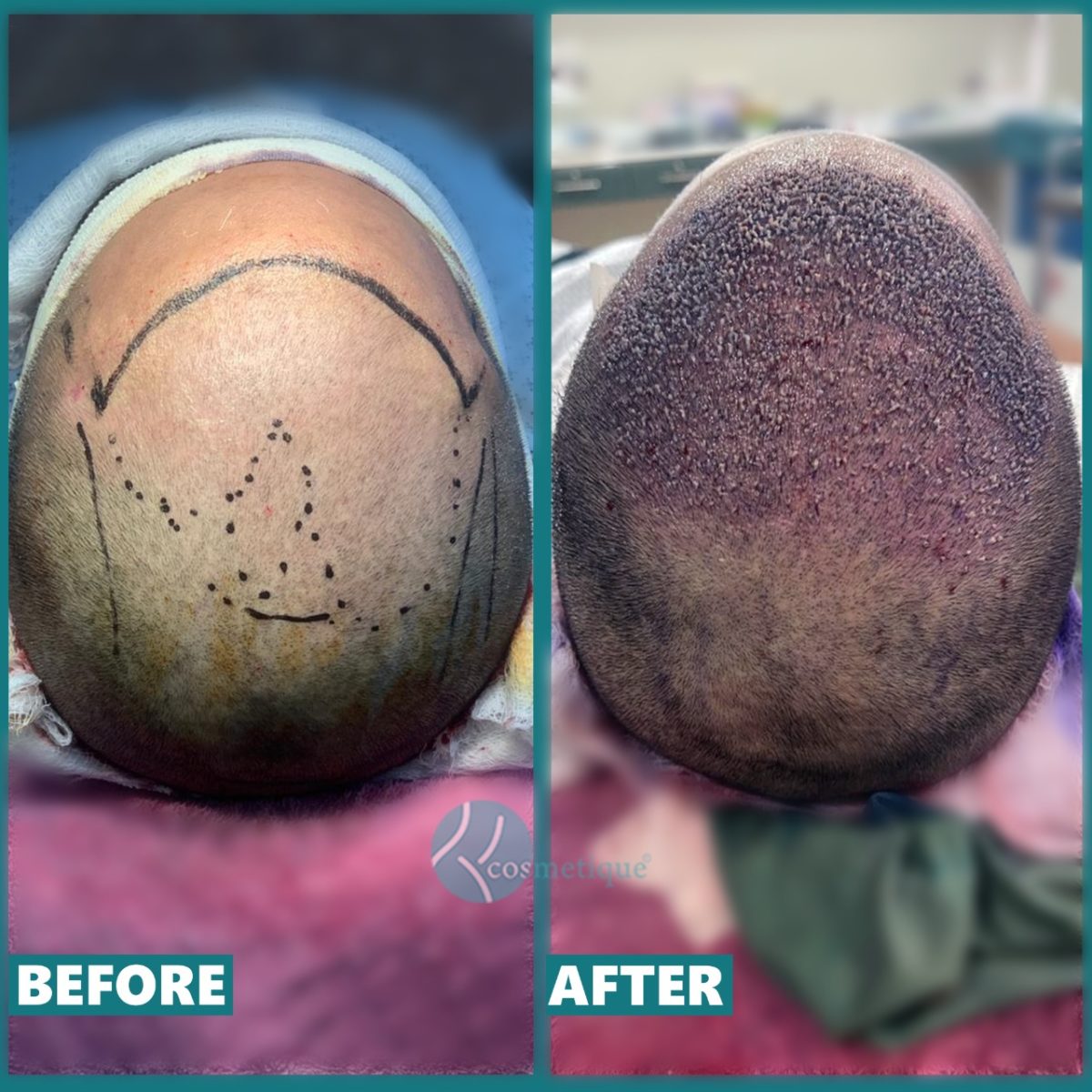
Hair does not grow immediately after surgery. Newly transplanted follicles usually enter a temporary resting phase before producing new hair.
The general growth timeline includes:
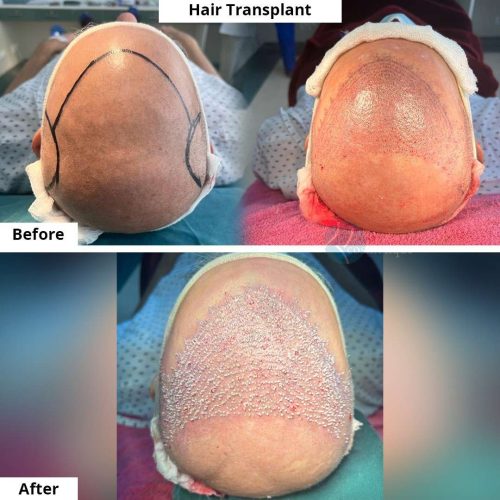
- Initial healing during the first few weeks
- Temporary shedding of transplanted hairs
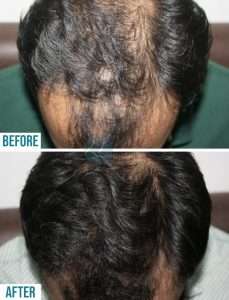
- New hair growth after several months
- Continued improvement over the following months
- Full results typically visible within about one year
Key point to know:Understanding this normal growth cycle helps patients avoid unnecessary concern during recovery.
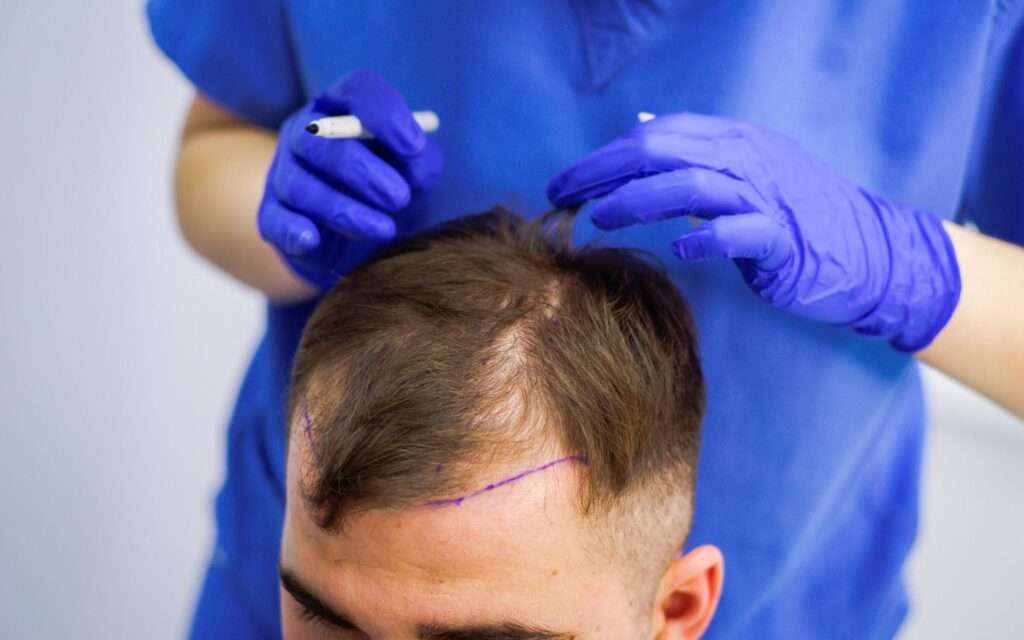
Hairline Design Is Based on Medical Planning
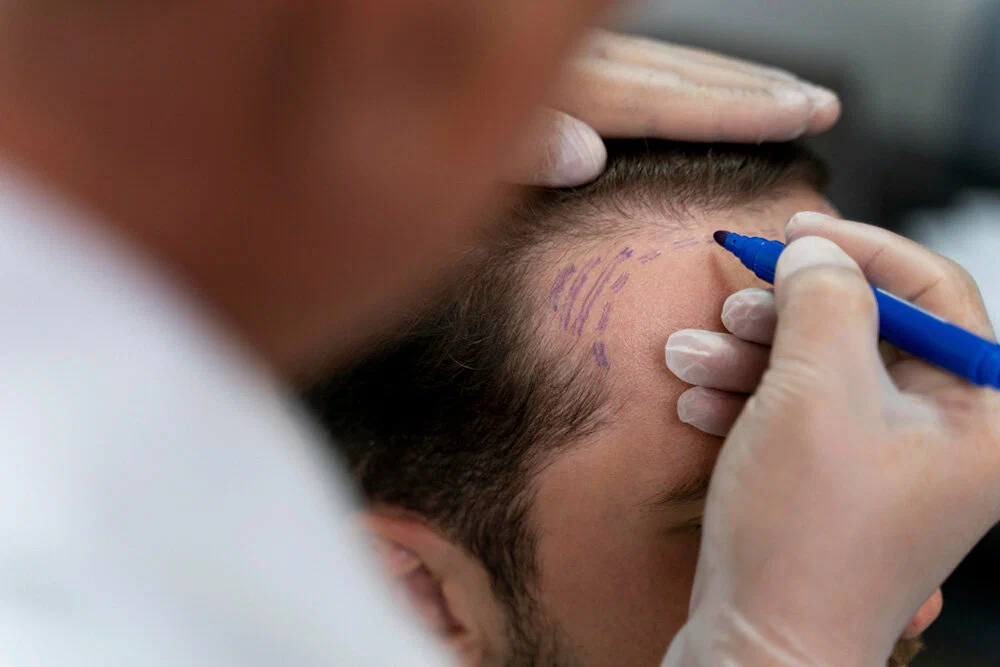
Creating a natural appearance requires careful medical planning instead of simply filling bald areas with hair.
Surgeons evaluate several important factors, including:
- Facial proportions
- Existing hair pattern
- Hair direction
- Hair density
- Future hair loss progression
These medical considerations help create balanced, realistic and age-appropriate results.
Proper Implantation Supports Long-Term Success
Each graft is implanted at a specific angle, depth, and direction. Even healthy follicles can produce unnatural results if they are not positioned correctly.
Modern implantation techniques focus on preserving blood supply around each graft while maintaining the natural flow of surrounding hair. This careful placement is one of the main reasons why today’s procedures appear much more natural than older methods.
Proper Healing Protects Transplanted Follicles
The first few weeks after surgery play an important role in protecting newly transplanted grafts. During this period, patients should carefully follow medical instructions to support healthy healing.
Recommended aftercare usually includes:
- Keeping the scalp clean
- Avoiding scratching or rubbing the treated area
- Taking prescribed medications
- Limiting strenuous physical activity during early recovery
- Protecting the scalp from direct sunlight
Key point to know:Following these recommendations helps improve graft survival and supports healthy hair growth.
Age Alone Does Not Determine Eligibility
Many people believe that only younger individuals qualify for hair transplantation. In reality, doctors evaluate overall hair loss stability, donor hair quality and general health rather than age alone.
A personalized medical assessment provides the most accurate recommendation for each patient.
Hair Transplant Does Not Stop Future Hair Loss
A hair transplant restores hair in treated areas, but it does not prevent natural hair loss from continuing in untreated regions of the scalp.
For this reason specialists often recommend regular follow-up evaluations and, when appropriate, supportive medical treatments to maintain overall hair density.
Patients searching for the best hair transplant in Lahore should choose a clinic that performs a complete medical assessment before recommending surgery.
Accurate Hair Follicle Placement Matters
Successful outcomes depend on proper diagnosis, careful planning, surgical precision, and structured follow-up care. Every patient has a unique hair loss pattern that requires an individualized treatment plan rather than a standard approach.
At Institute Cosmetique specialists carefully evaluate scalp condition, donor hair quality, and long-term hair restoration goals before planning treatment. This personalized approach helps improve both safety and overall results.
Modern facilities such as Institute Cosmetique also emphasize patient education so individuals understand every stage of the procedure recovery and expected outcomes before surgery begins.
Bottom line
Hair transplantation is a scientifically proven procedure that restores hair by relocating healthy follicles to thinning or bald areas. Medical success depends on accurate diagnosis, healthy donor hair, precise graft placement and proper aftercare. Understanding these medical facts helps patients set realistic expectations and make informed treatment decisions while achieving natural and long-lasting results.
Frequently Asked Questions
1. Is a hair transplant a permanent solution?
Yes. Transplanted follicles usually continue growing because they are taken from genetically resistant donor areas.
2. Does everyone qualify for a hair transplant?
No. Doctors evaluate donor hair quality, scalp condition and the type of hair loss before recommending surgery.
3. How long does recovery take?
Initial healing usually occurs within a few weeks while complete hair growth develops gradually over several months.
4. Will transplanted hair look natural?
Yes. Modern surgical techniques focus on natural hairline design, proper graft placement and balanced density.
5. Can hair loss continue after a hair transplant?
Yes. Existing non-transplanted hair may continue thinning over time, so regular follow-up and medical guidance remain important.