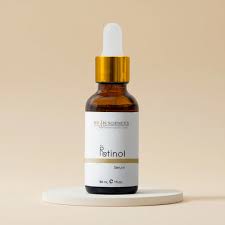
Retinol has become one of the most discussed ingredients in modern skincare especially among people concerned about fine lines uneven texture dullness and breakouts.However choosing a retinol product is not as simple as selecting the strongest formula on the sheIf.Skin type product strength formulation and the way the serum is introduced into a routine can all affect the experience.
If you are searching for the best retinol serum in Pakistan it is important to look beyond attractive packaging and marketing claims. A suitable formula should fit your skin’s needs and be used carefully and consistently.
This guide explains what retinol does, how to choose a suitable serum, how to use it properly, and what mistakes to avoid.
What Is Retinol?
Retinol is a vitamin A derivative commonly used in skincare products. It is known for supporting skin renewal and improving the appearance of several common concerns over time.
As skin matures its natural renewal process may become slower. Environmental exposure sun damage and daily lifestyle factors can also affect how smooth and even the skin looks.A well formulated retinol serum can support a more refined -looking complexion when used as part of a consistent skin care routine.
Retinol is not an overnight solution. Visible improvements usually require patience, gradual use, and proper sun protection.
Why Is Retinol Popular in Skincare?
Retinol is valued because one ingredient can address several visible skin concerns. Depending on the individual and the formulation used, it may help improve the appearance of:
- Fine lines and early signs of skin aging
- Uneven skin texture
- Dull-looking skin
- The appearance of enlarged pores
- Mild blemishes and post-breakout marks
- Uneven-looking skin tone
The key is to choose a product that is appropriate for your skin rather than assuming that a higher concentration will automatically deliver better results.
How to Choose a Retinol Serum
When comparing retinol products, consider the complete formula instead of focusing only on the percentage displayed on the label.
1. Consider Your Skin Type
People with dry or sensitive skin may prefer a gentle formula with hydrating and soothing ingredients. Those with oily or combination skin may look for a lightweight texture that layers comfortably without feeling heavy.
If you have never used a vitamin A skincare product before, starting slowly can be more comfortable than immediately using a strong formula.
2. Check the Supporting Ingredients
A balanced serum may include ingredients that support skin hydration and comfort. Depending on the formula, useful supporting ingredients may include:
- Hyaluronic acid
- Glycerin
- Ceramides
- Niacinamide
- Skin-conditioning ingredients
These ingredients do not replace retinol, but they can contribute to a more comfortable skincare routine.
3. Choose Packaging Carefully
Vitamin A derivatives can be sensitive to light and air. Well-designed, protective packaging can help maintain product stability. Always store skincare products according to the instructions provided by the manufacturer.
4. Buy From a Reliable Brand
Product quality, ingredient transparency, and clear usage instructions matter. Skin Sciences focuses on skincare solutions designed to fit modern routines, helping users select products based on their individual skincare needs.
Rather than choosing a serum simply because it is trending, review the ingredient list, directions, and suitability for your skin.
How to Use Retinol Correctly
The way you use retinol can make a significant difference in how your skin responds.
A simple evening routine may look like this:
- Cleanse your face with a gentle cleanser.
- Allow the skin to dry completely if the product instructions recommend applying to dry skin.
- Apply a small amount of retinol serum.
- Follow with a suitable moisturizer.
- Use sunscreen during the daytime.
Beginners can start by using retinol only a few nights per week. If the skin tolerates it well, frequency may be adjusted gradually according to the product instructions and professional advice.
Using more product does not necessarily produce faster results. A consistent and measured approach is usually more practical.
Why Sunscreen Matters
Retinol is typically used as part of an evening skincare routine, but daytime sun protection remains essential. Daily sunscreen helps protect the skin from UV exposure, which can contribute to premature signs of aging, uneven tone, and other visible concerns.
Choose a broad-spectrum sunscreen suitable for your skin and apply it as directed. Skincare products work best as part of an overall routine rather than as isolated solutions.
Common Mistakes to Avoid
Retinol can be useful, but incorrect use may lead to unnecessary irritation or discomfort.
Using It Every Night From the Beginning
Starting too frequently may not give your skin enough time to adjust. Introduce the product gradually.
Applying Too Much
A small amount is generally enough for the face. Applying extra product does not guarantee faster improvements.
Combining Too Many Strong Actives
Using several potentially irritating active ingredients in the same routine may overwhelm the skin. Consider how your products interact and simplify your routine when necessary.
Ignoring Moisturizer
Hydration is an important part of a balanced skincare routine. A suitable moisturizer can support skin comfort.
Skipping Sunscreen
A nighttime skincare routine should still be paired with reliable daytime sun protection.
How Long Does Retinol Take to Show Results?
There is no identical timeline for everyone. Skin type, the specific product, frequency of use, and overall routine can all influence visible results.
Consistency is more important than expecting immediate changes. Taking clear photographs under similar lighting conditions can sometimes help you monitor gradual improvements without relying on day-to-day impressions.
If persistent irritation, burning, or significant discomfort occurs, stop using the product and seek advice from a qualified dermatologist or healthcare professional.
Building a Simple Routine Around Retinol
A complicated routine is not always necessary. A practical approach may include a gentle cleanser, a suitable moisturizer, sunscreen, and carefully introduced active products.
Morning Routine
- Gentle cleanser
- Hydrating or supportive skincare product, if needed
- Moisturizer
- Broad-spectrum sunscreen
Evening Routine
- Cleanser
- Retinol on selected nights
- Moisturizer
On nights when you do not use retinol, you can keep the routine simple and focus on hydration and skin barrier support.
What Makes a Good Retinol Formula?
There is no single formula that works perfectly for everyone. The right choice depends on your skin goals, tolerance, and previous experience with active skincare ingredients.
A good formula should offer:
- Clear directions for use
- A texture suitable for regular application
- Appropriate supporting ingredients
- Responsible packaging
- Reliable product information
- A formula that fits your skin’s tolerance
When evaluating options, it is better to focus on suitability and consistency rather than searching only for the highest strength available.
Skin Sciences and a Thoughtful Skincare Routine
Skin Sciences offers skincare products designed to support different skin concerns and routine preferences. When adding an active ingredient to your routine, it is helpful to understand what the product is intended to do and how it fits with the other products you already use.
The best routine is usually one that is realistic enough to follow consistently. Introducing multiple new products at the same time can also make it difficult to identify which product is helping or causing irritation.
For this reason, add new products gradually and give your skin time to respond.
Who Should Be Careful With Retinol?
Retinol is not suitable for every situation. People with highly reactive skin, certain skin conditions, or ongoing dermatological treatments should seek professional guidance before introducing a new active ingredient.
Pregnant or breastfeeding individuals should consult an appropriately qualified healthcare professional before using retinoid-containing skincare products.
A patch test may also be helpful when trying a new skincare product, particularly if your skin is sensitive.
Summary:
Finding the right retinol product is about more than following a trend. The best approach is to understand your skin, choose a suitable formulation, introduce it gradually, and maintain a consistent routine with daily sun protection.
The best retinol serum in Pakistan for one person may not be the ideal choice for another. Factors such as skin type, tolerance, routine, and product formulation should guide the decision. A thoughtful approach can help you build a skincare routine that feels practical, comfortable, and sustainable.
Frequently Asked Questions
1. What does retinol serum do for the skin?
Retinol may support skin renewal and help improve the appearance of fine lines, uneven texture, dullness, and some blemish-related concerns over time.
2. Can beginners use retinol serum?
Yes, but beginners should generally start slowly and follow the product instructions. Using it a few times per week before increasing frequency can help the skin adjust.
3. Should retinol be used in the morning or at night?
Retinol is generally included in an evening skincare routine. Daily broad-spectrum sunscreen is important during the daytime.
4. Can I use moisturizer with retinol?
Yes. A suitable moisturizer can help support hydration and skin comfort as part of the routine.
5. How much retinol serum should I apply?
Follow the manufacturer’s instructions. In general, applying more than recommended is unlikely to provide faster results and may increase the risk of irritation.
6. Can sensitive skin use retinol?
Some people with sensitive skin may tolerate gentle formulations, but it is important to introduce the product carefully. If you have a skin condition or persistent sensitivity, seek professional advice.
7. How long should I wait for results?
Results vary from person to person. Consistent use over time is generally more important than expecting immediate changes.